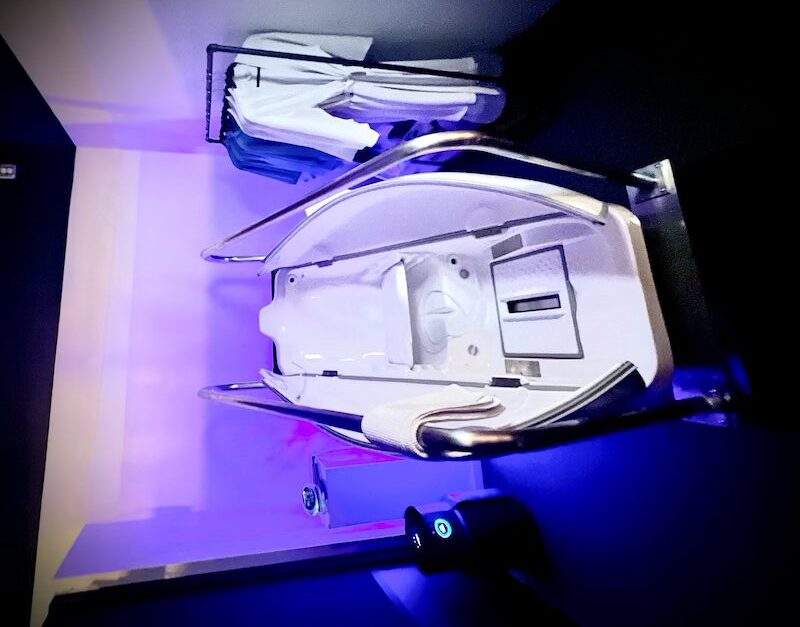
Compression therapy is a supportive, noninvasive treatment that can help improve circulation, reduce swelling, and support recovery—especially for people who spend long hours on their feet, sit for extended periods, exercise regularly, or experience fluid retention. Most clients tolerate compression well, but it’s not appropriate for everyone, so we’ll review your health history before your session.
Compression therapy may not be recommended if you have any of the following:
-
Blood clots, deep vein thrombosis (DVT), or a history of stroke
-
Severe peripheral arterial disease
-
Congestive heart failure
-
Pulmonary embolism (current or recent)
-
Acute infection or cellulitis
-
Uncontrolled hypertension
-
Open wounds, ulcers, or unhealed surgical incisions in the treatment area
-
Vascular grafts
-
Active cancer in the lymphatic pathway
Medical clearance required
If any of the following apply, medical clearance is required prior to compression therapy:
-
Diabetes with neuropathy or reduced sensation
-
Mild vascular conditions
-
Lymphedema with fibrosis
-
Kidney disease
-
Recent orthopedic injury or joint instability
-
Varicose veins with discomfort
-
Prosthetics in the limb
-
Pregnancy
If you’re unsure whether compression therapy is safe for you—especially if you have circulation concerns, a history of clotting, or reduced sensation—please let our team know during scheduling. We can help determine if compression therapy is appropriate or recommend a safer alternative.